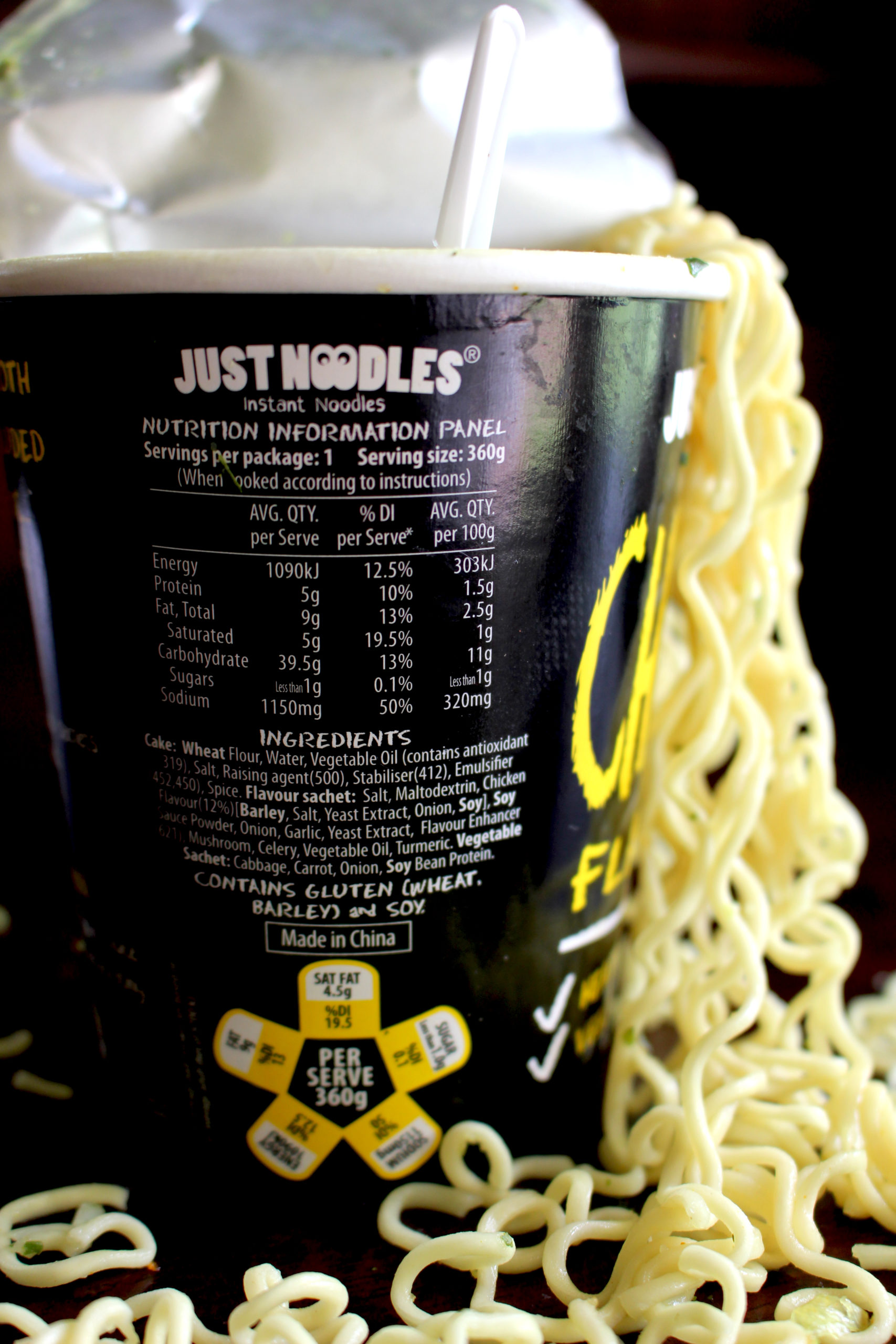
When was the last time you ate instant noodles?
They’re great right?! Cheap, portable, tasty – and the only dining requirements are boiled water and a utensil of some description – hands optional.
But is this convenient morsel of quick satisfaction doing more harm to our brains and bodies than any good? And what if every time we ate these golden warm hugs, we were increasing our risk of deadly diseases such as colon cancer, as well as kidney stones, high blood pressure, type 2 diabetes and more? Essentially, signing our own death warrant one noodle-y forkful at a time.
Noodles aren’t the only culprit, everything we put in our mouths has both a short and long-term impact.
The average student diet consists mainly of highly processed packaged foods (noodles) refined carbohydrates (also noodles) and sugar sugar sugar – all the stuff that tastes good. But these foods aren’t as yummy as they seem, we’ve just fooled our brains into thinking they’re delicious by firing the reward centre of our brain and causing inflammation every time we chow down.
Enlarge

Each snack, meal or feast triggers a kick of dopamine that may appear to help concentration in the short term but if sustained will desensitise the brain’s ability to focus and make it that much harder to study, even at a normal level, as you end up perpetually chasing an ever-heightening level of dopamine requirement. Just like a drug addict.
Addiction isn’t something one wants to question when it’s 11pm, you’re 3000 words into an essay that’s due at 8am and you’re staring directly at the impending onslaught of in-text citation. You want something fast and filling that’s going to keep you functioning, so you reach for the noodles, drown it in a can of Monster, back it up with some lollies, and rinse and repeat till hand-in.
Studying is hard enough anyway, but this kind of unconsidered eating is making it that much harder by negatively affecting our concentration and causing future damage to our health and well-being.
Great.
Enter dietician, nutritionist and all-round mana wahine, Celeste Keesing.
Enlarge
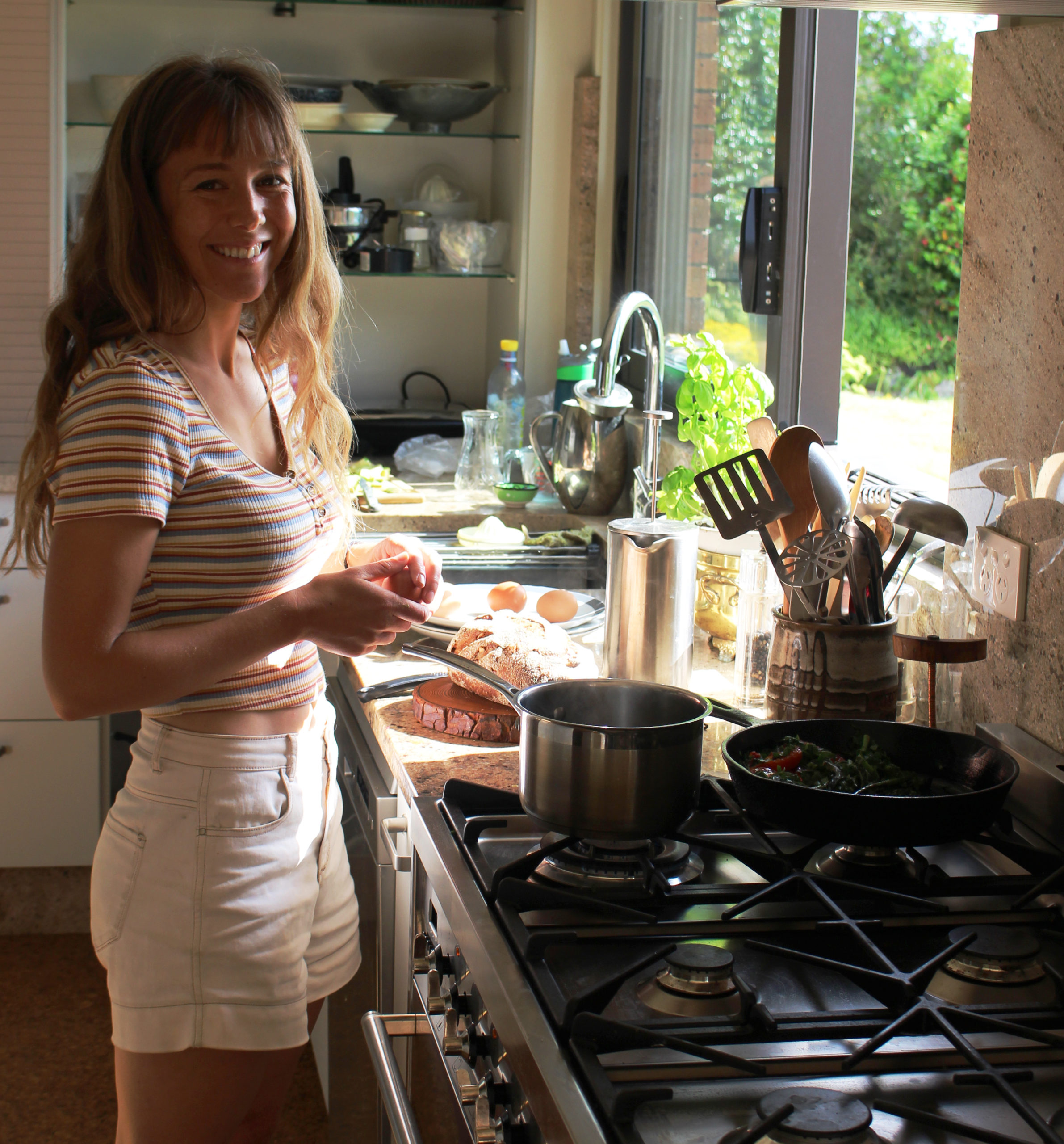
Celeste not only has a Masters in Dietetics from Otago University (notorious for its extreme student lifestyle), but she’s Waikato born and bred with a life-time of homegrown holistic knowledge straight from the farm. Having been a student herself for the many competitive years it takes to even be considered for dietetics, the student diet is something she is all too familiar with.
I had no money so I was going to try and live off two-minute noodles and thought if I had a multi-vitamin then I’d be covering all my nutritional needs.
Celeste Keesing
Something she very quickly found was not the case.
Celeste explains that micro-nutrients are vital for us to live and if we don’t get enough of these our body and our mind can’t function properly. But where do we find all these micro-nutrients? Wholefoods – not in a shake, not in a pill, definitely not in a pot of instant noodles – it’s simply by eating wholefoods.
Missing out on these vital nutrient containing wholefoods causes a noticeable negative effect on our mental well-being, something Celeste took note of in her first year of study.
I got pretty down. I felt genuinely overwhelmed, I wasn’t happy and I didn’t have much energy and I couldn’t really focus either. Celeste Keesing
Armed with the extensive knowledge she has now, she compares this to a feeling of illness
“Think about when you’re sick, how hard it is to concentrate, and how unhappy you feel. That’s because of inflammation. You could be walking around feeling like you’re slightly sick but you didn’t realise it, maybe because you’re used to feeling that way. But reducing that inflammation you will feel clear-headed again, just like when you get better after sickness.”
Nutrition and poor diet is now the leading cause of death in the world, not smoking – diet. This refined, sweet, salty and convenient westernised diet is not just impacting our study, it’s killing us.
And it all begins with what we are eating now, so what can we do?
The mental switch
First things first, you need to find a motivator which Celeste describes as something you really care about that is connected to nutrition.
Do you want to feel better, look better, think better? Improve your grades? Find the ability to get to class on time and not fall asleep while you’re there? Each problem is connected to diet and could be vastly improved simply by incorporating an array of whole foods, whole grains, omega 3s and antioxidants into each meal and making an effort to give the body the best it needs to operate.
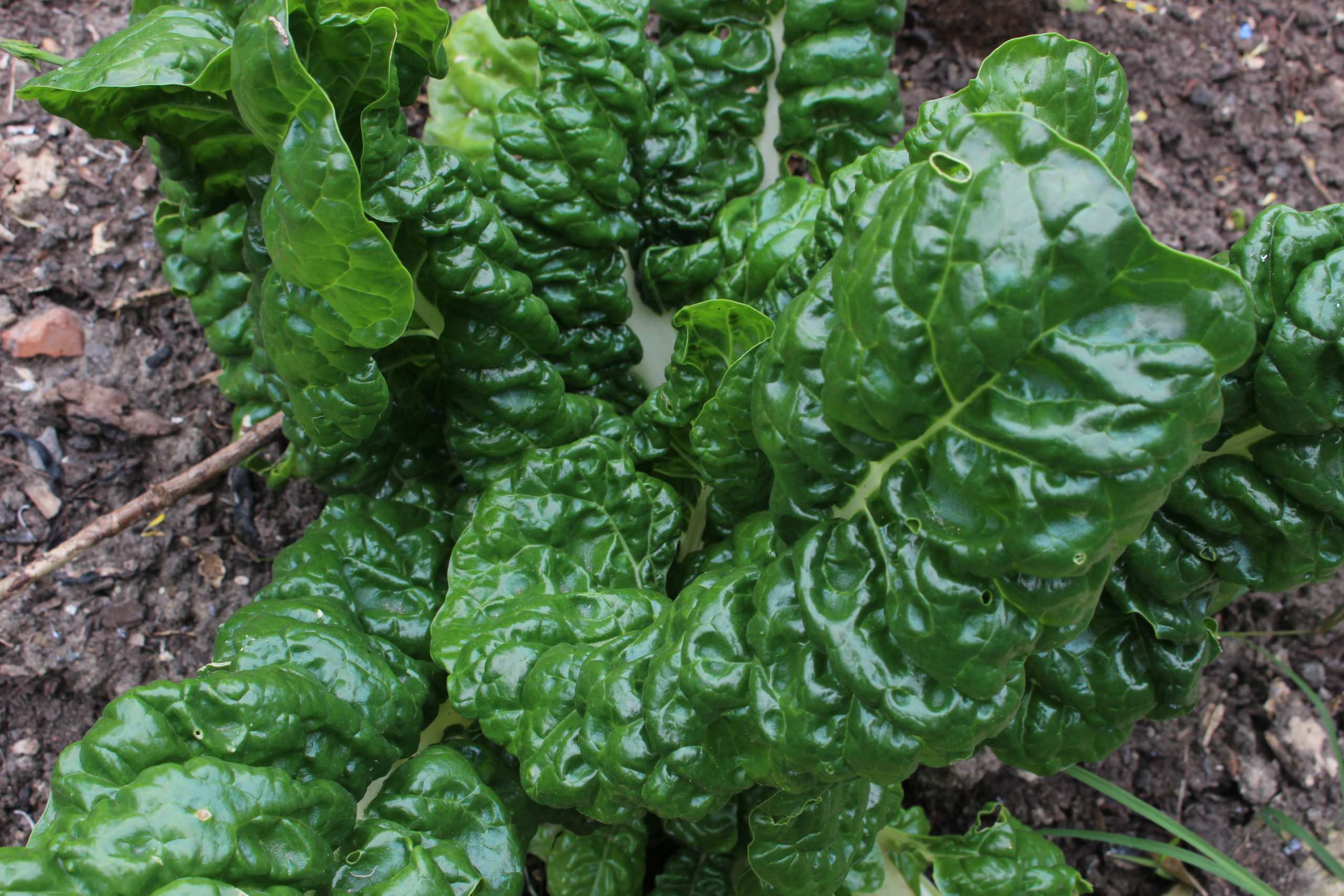

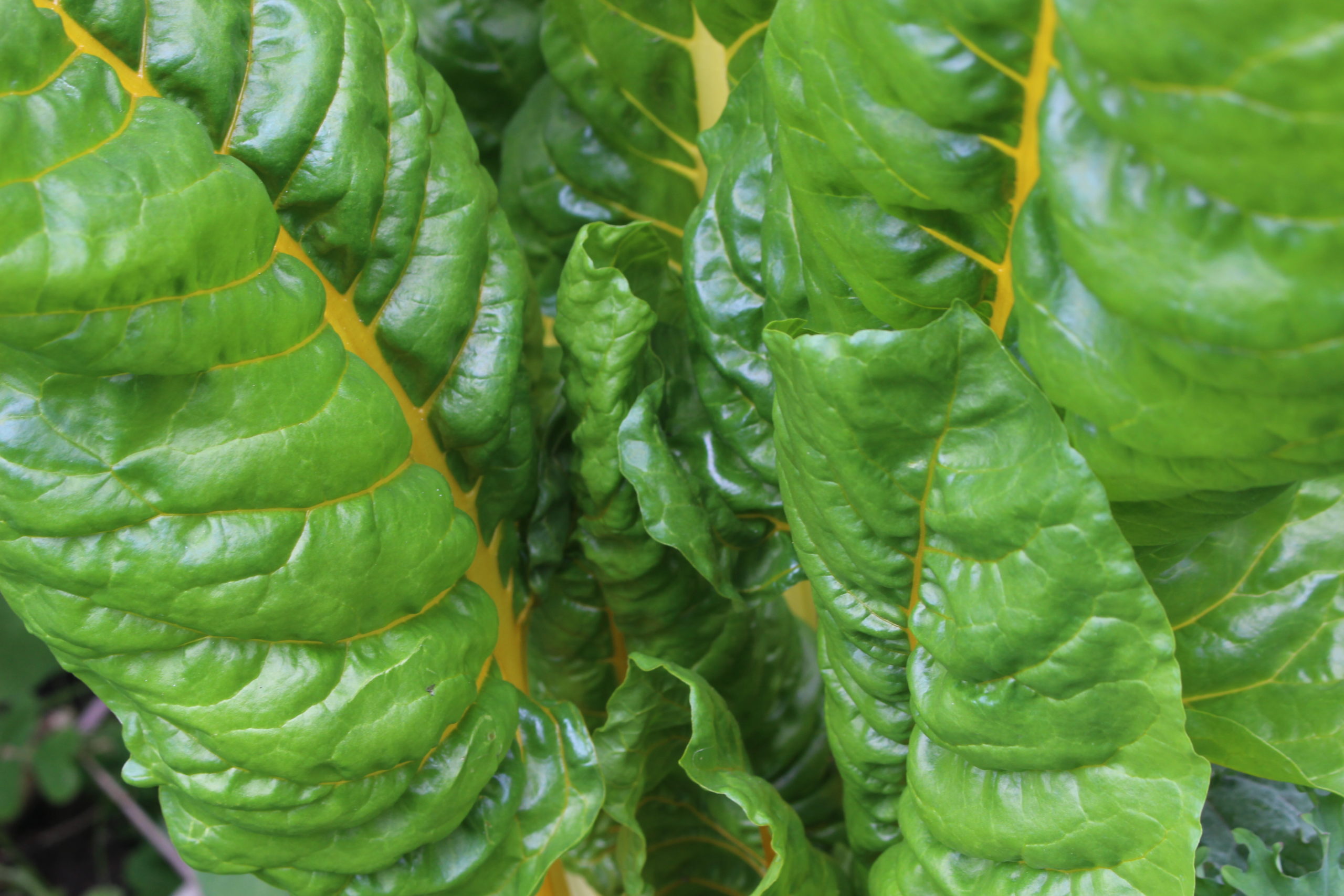
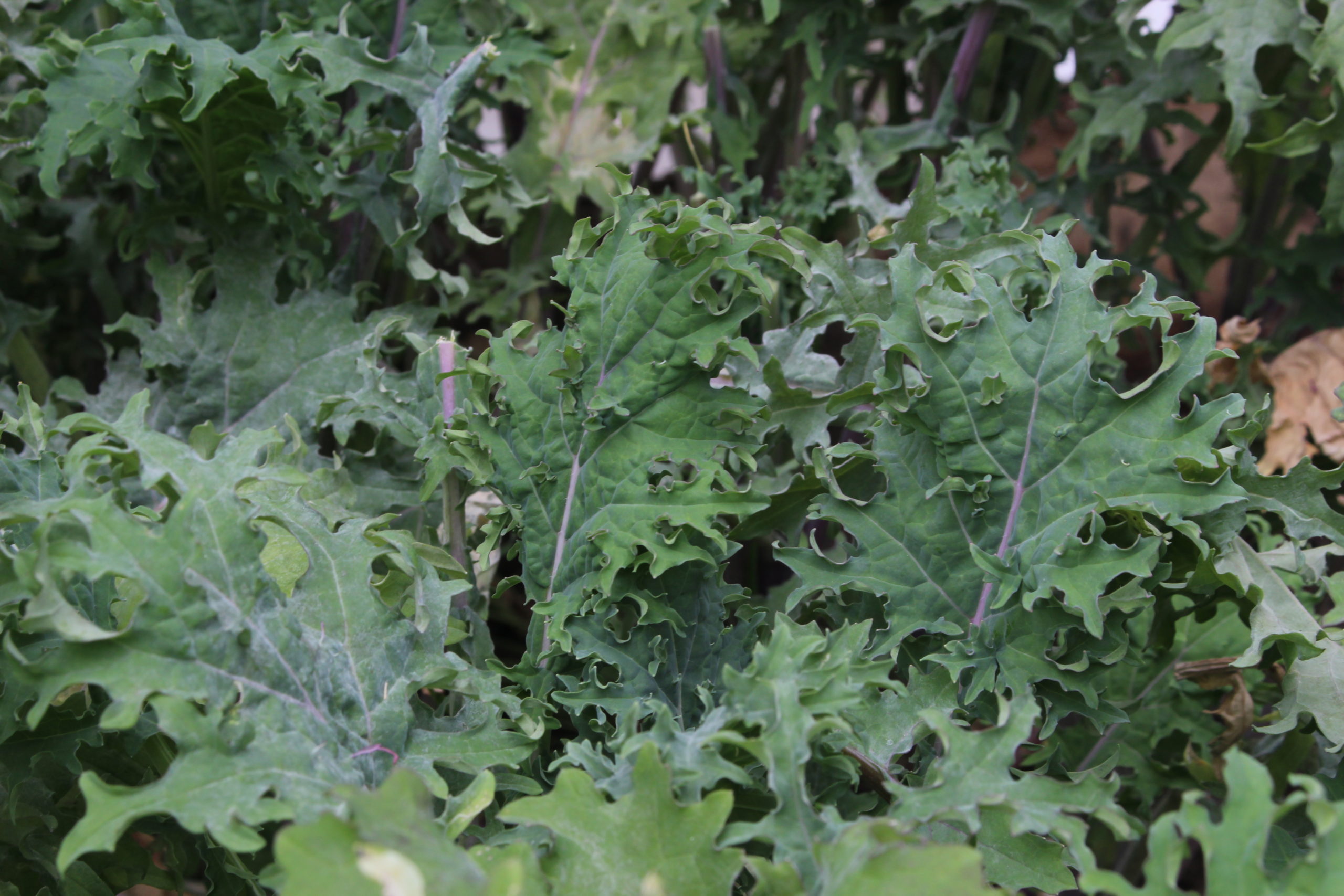
Dark leafy greens
Antioxidants are powerful anti-inflammatories that are found in richly coloured fruit and vegetables such as blueberries, blackberries, strawberries, beetroot, red cabbage, dark leafy greens and even coffee. There are over 10,000 varieties of antioxidant that have been proven to protect the brain, improve its function and increase healthy levels of dopamine and serotonin.
Dopamine is important for concentration and serotonin is important for having a good mood. This is why fruit and vegetables make us feel good when we eat them. Celeste Keesing
It’s as easy as a cup of blueberries at breakfast and a generous handful of spinach at dinner, by incorporating antioxidants into our diet, not only are we significantly reducing our risk of depression and anxiety, we are decreasing inflammation, elevating our mood and allowing our brain the healthy space to think clearly and concentrate on our studies.
An excuse often invoked by junk food enthusiasts is healthy eating is more expensive, which Celeste finds hilarious,
Money is not an excuse. Celeste Keesing
Healthy eating is available to even the strictest of student budgets, take, for example, fruit. Fruit is one of nature’s wholefoods and they come in a pre-made package ready for you to just pick up and go. Good for your body and great for the environment.
Nuts and seeds are an awesome source of protein and you can carry them in a bag and have them with you all the time. They’re full of good fats with walnuts, in particular, containing high levels of omega 3s which are really important for our brain health.
The lack of individual knowledge around these foods and limited access to time and skills may be the true roadblock here. But the answer could lie in the purchase of a slow cooker.
It's all about buying the things you know you'll eat, and not even bothering with the crap stuff. Celeste Keesing
A little bit of preparation goes a long way and just as we can reset our taste buds to taste food again by cutting out sugar or salt for three weeks, so can we alter our deeply ingrained toxic eating habits.
Celeste speaks on these affordable and do-able changes and more at her community-based workshops in Gisborne. Each workshop focuses on different benefits of healthy eating, whether it be for general or seasonal wellness, gut or mental health.
Moving back to the Waikato this December, Celeste brings all her juicy tips, tricks and know-how in tow and plans to set up these accessible workshops for the Waikato community early next year. She’s even considering one focused solely on student well-being. Now how about them noodles.
Diet can do amazing things if we want to commit to it and make it our lifestyle. Celeste Keesing
So, fellow students, I implore you to step away from the noodles and salty packaged goods, swap out your energy drink for a cup of coffee or even, dare I say, a glass of water. Make better choices to feel better.
You are what you eat, so don’t be an instant noodle.
Enlarge